Therapeutic Photography
 
Overall, therapeutic photography harnesses the power of visual imagery to facilitate healing, foster personal growth, and enhance emotional well-being through creative expression and reflection.
Key Aspects of Therapeutic Photography
Self-Expression and Exploration:
Individuals use photography to express feelings, thoughts, and experiences that may be difficult to articulate verbally.
Through capturing images, individuals can explore their inner world, relationships, and surroundings in a visual and symbolic way.
Healing and Well-being:
Therapeutic photography can aid in the healing process by providing a creative outlet for emotional release and processing.
It can promote relaxation, reduce stress, and increase self-awareness and mindfulness.
Storytelling and Narrative:
Photographs can serve as visual narratives that tell personal stories, document experiences, or highlight moments of significance.
Reflecting on these images can help individuals gain insights into their own lives and personal narratives.
Empowerment and Agency:
Engaging in photography empowers individuals by giving them control over the creative process and how they represent themselves and their experiences.
It can enhance self-esteem and confidence as individuals see their perspectives validated and valued.
Therapeutic Settings:
Therapeutic photography is utilized in various settings, including clinical therapy, community programs, support groups, and personal self-care practices.
It is often integrated into therapeutic interventions alongside other modalities such as counseling, art therapy, and mindfulness techniques.
Applications:
Therapeutic photography is used across a wide range of populations, including individuals facing trauma, grief, chronic illness, mental health challenges, and life transitions.
It is also employed in educational settings, rehabilitation centers, and wellness programs to promote holistic well-being.
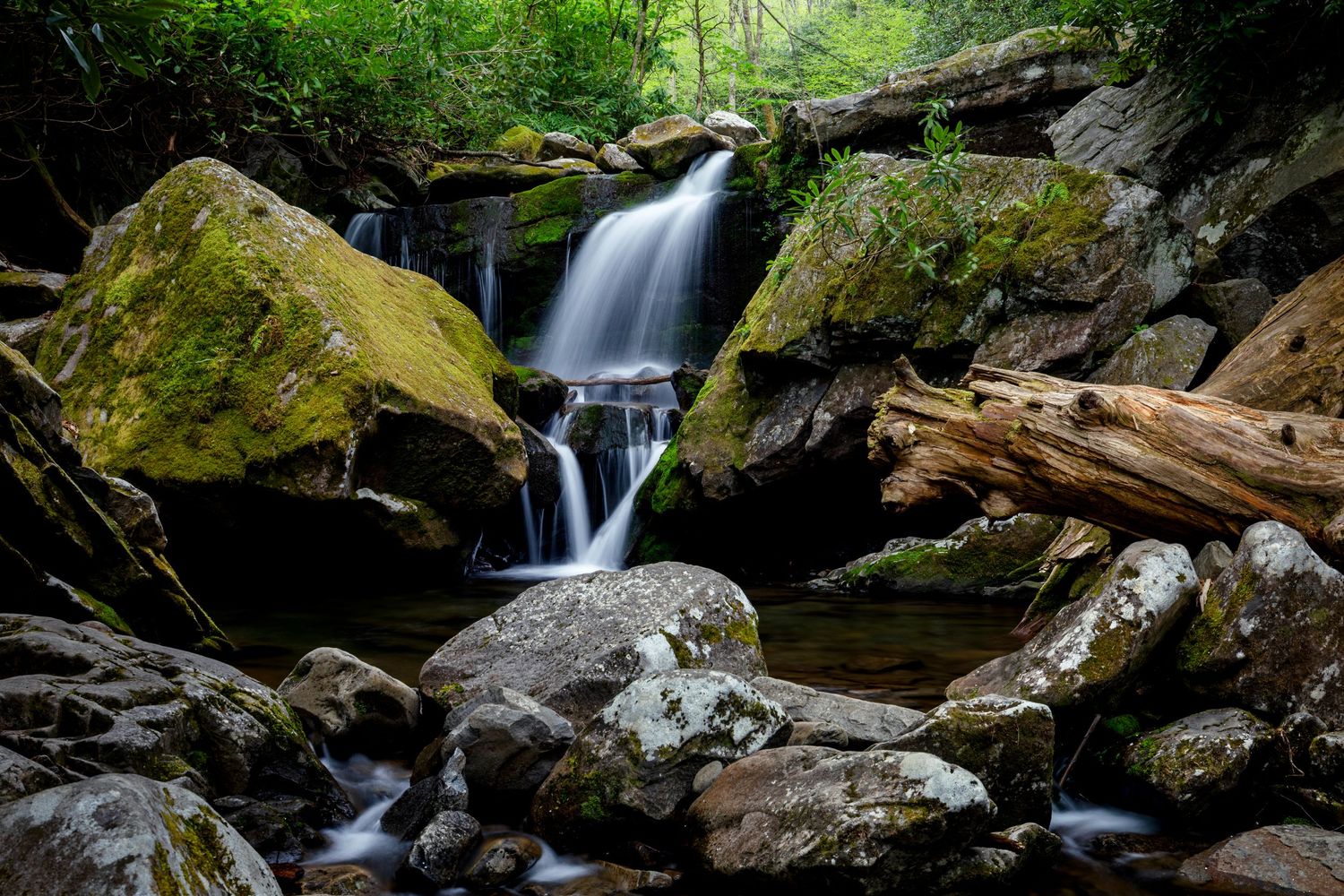
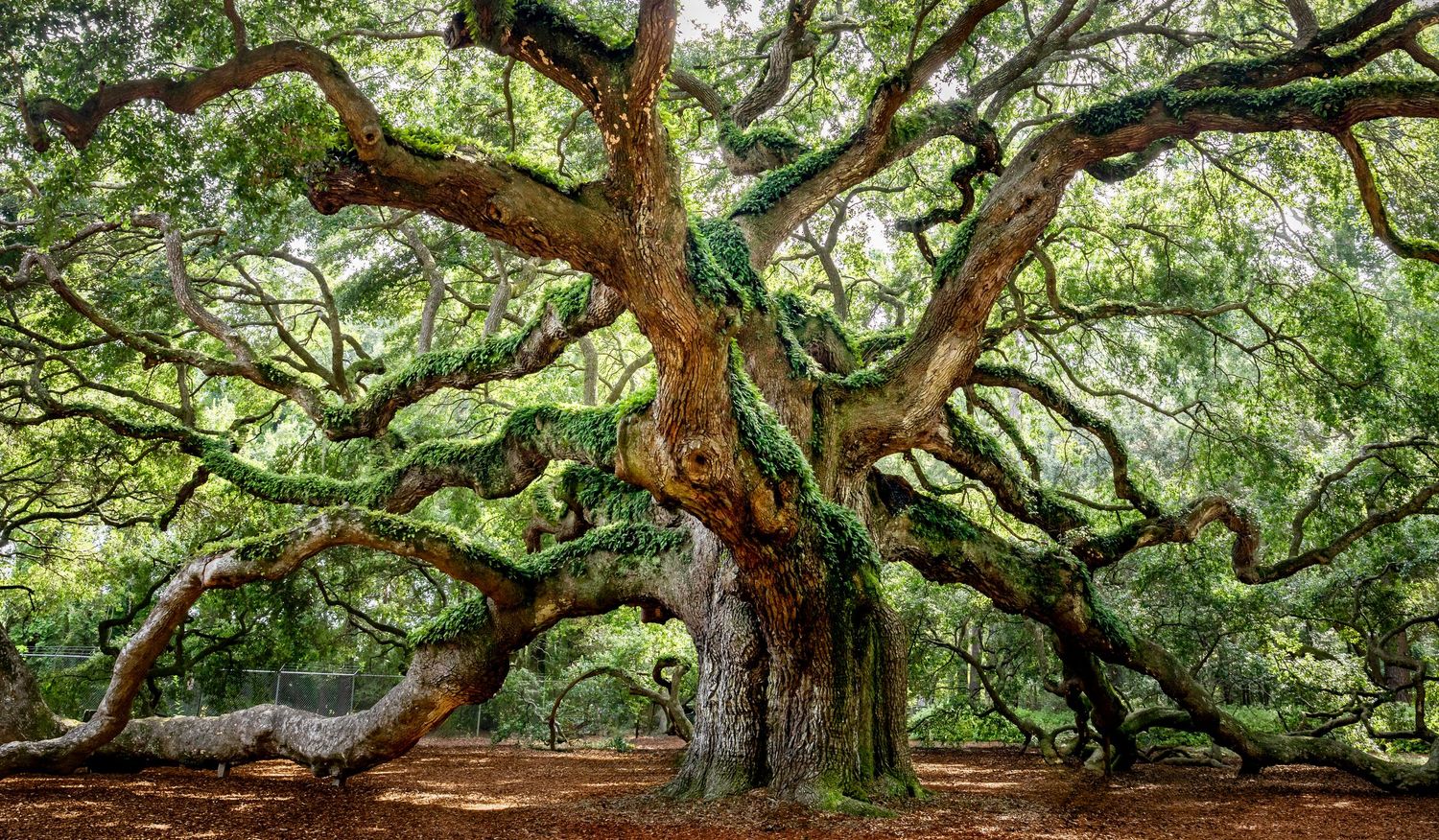
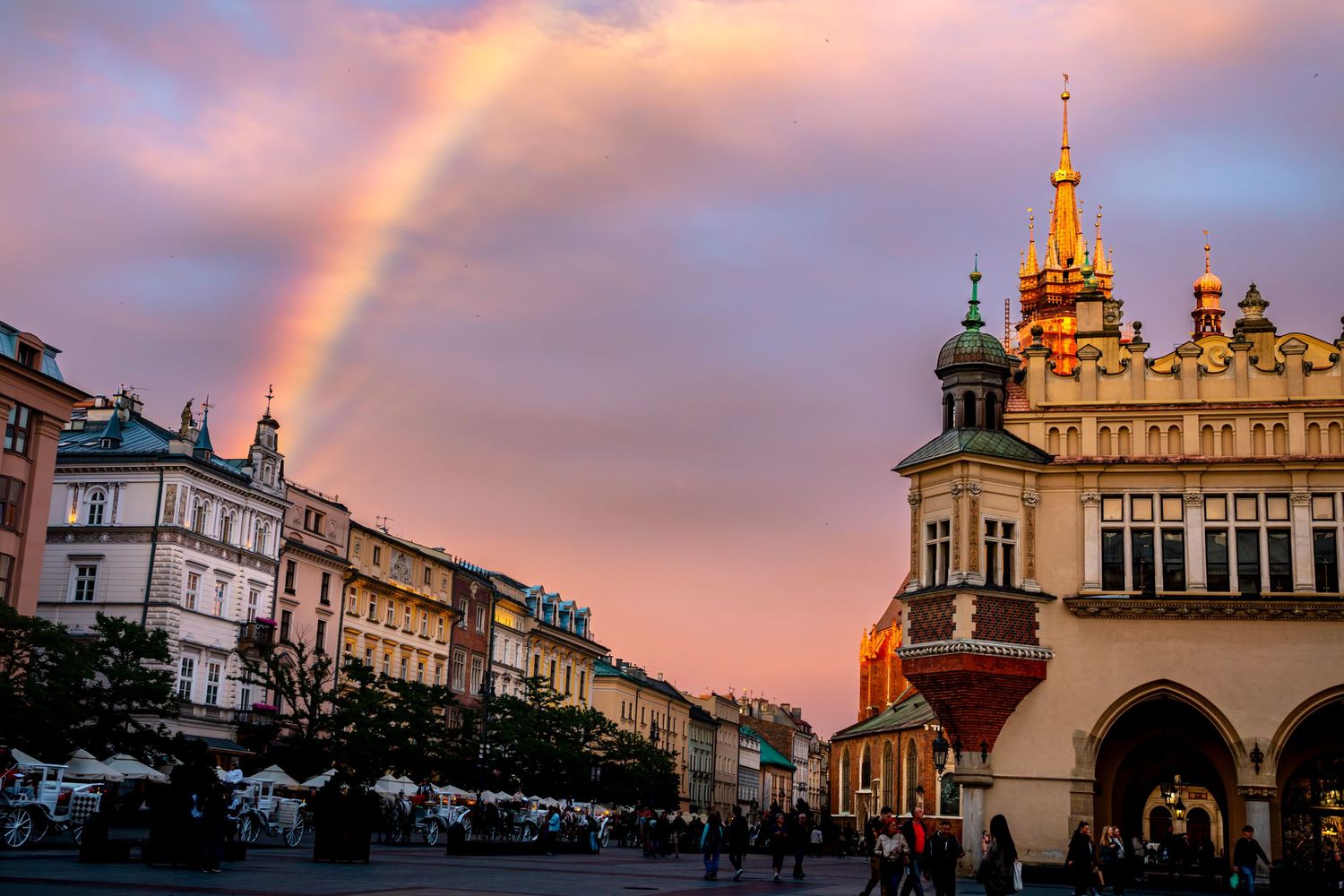
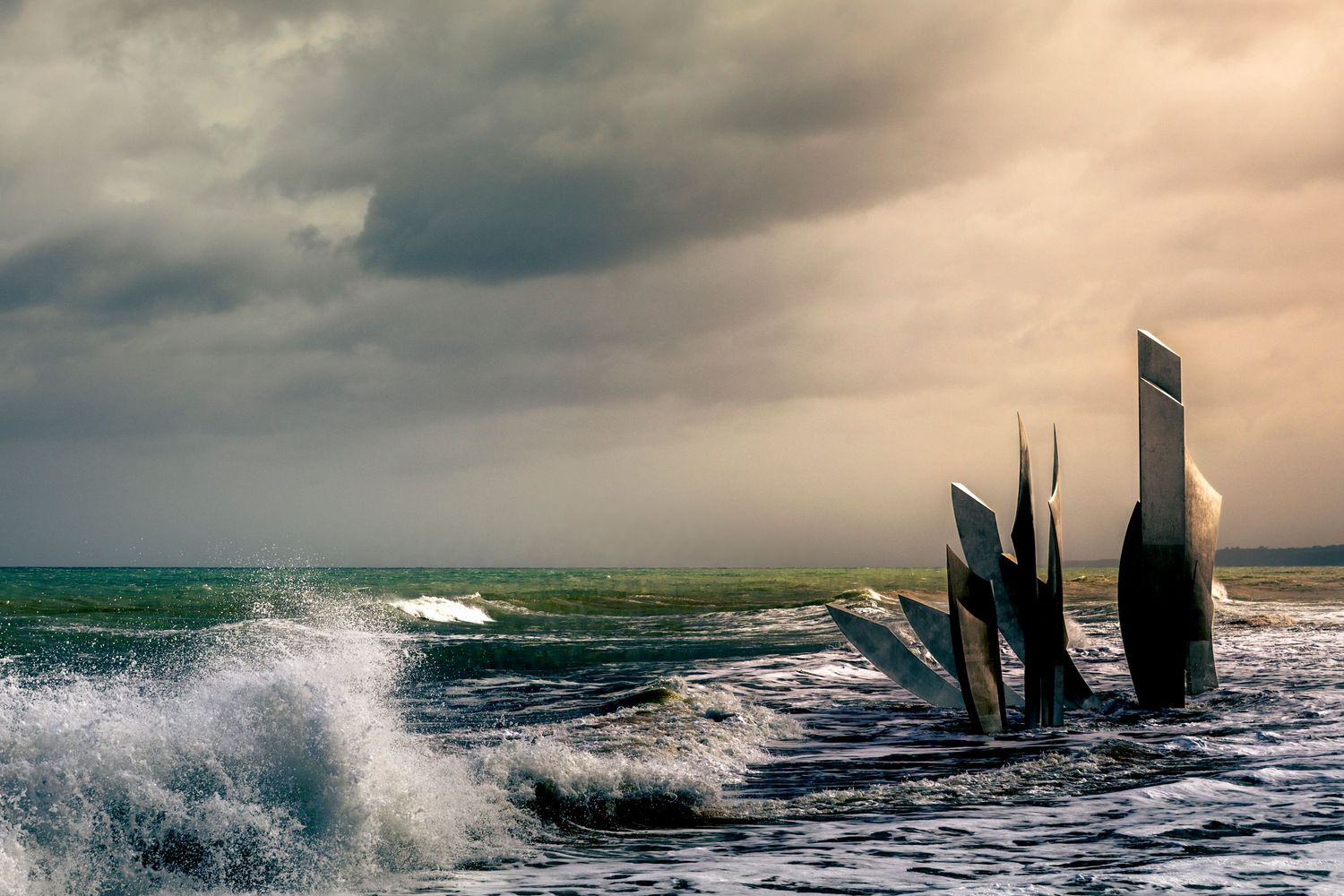
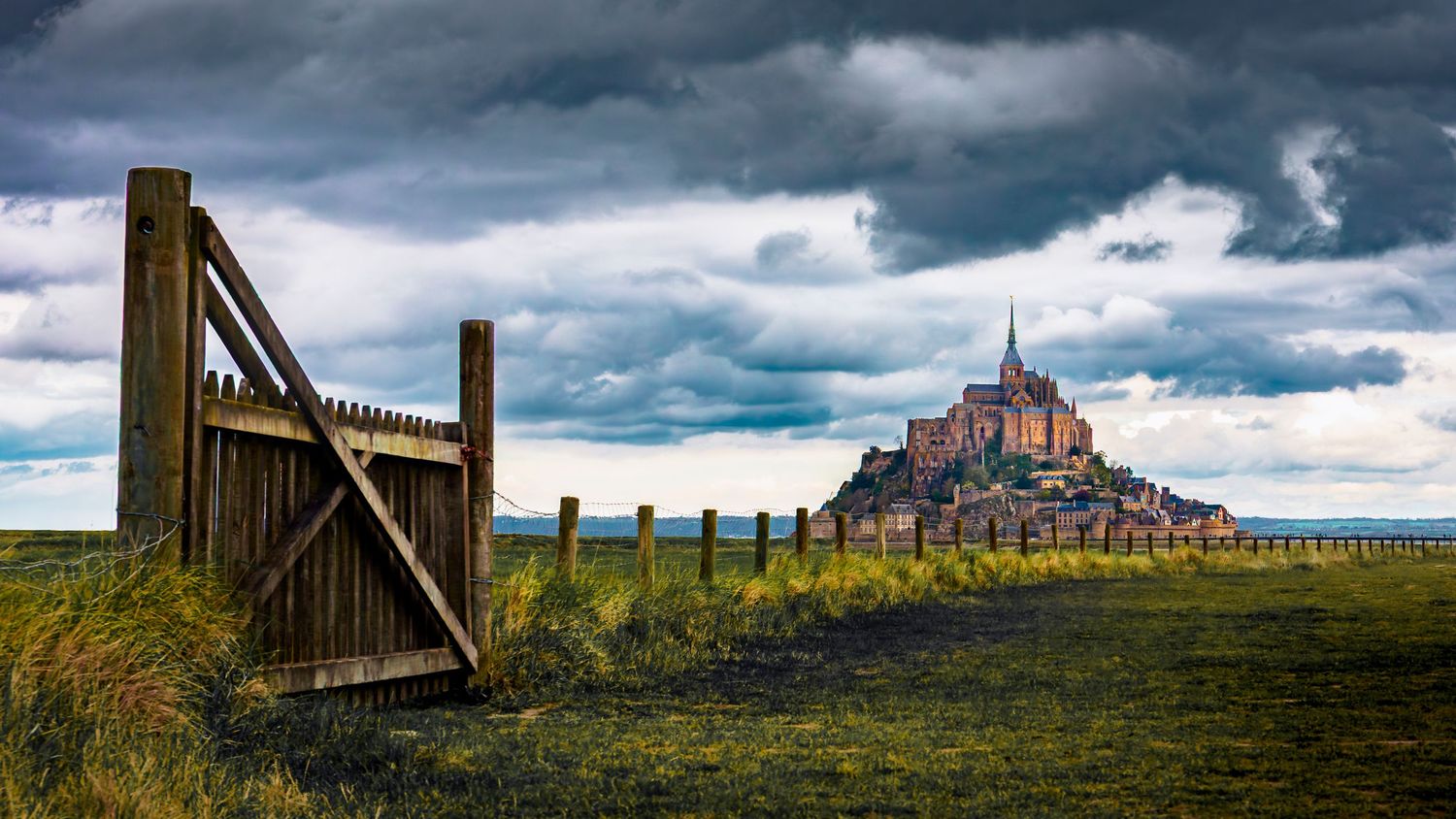
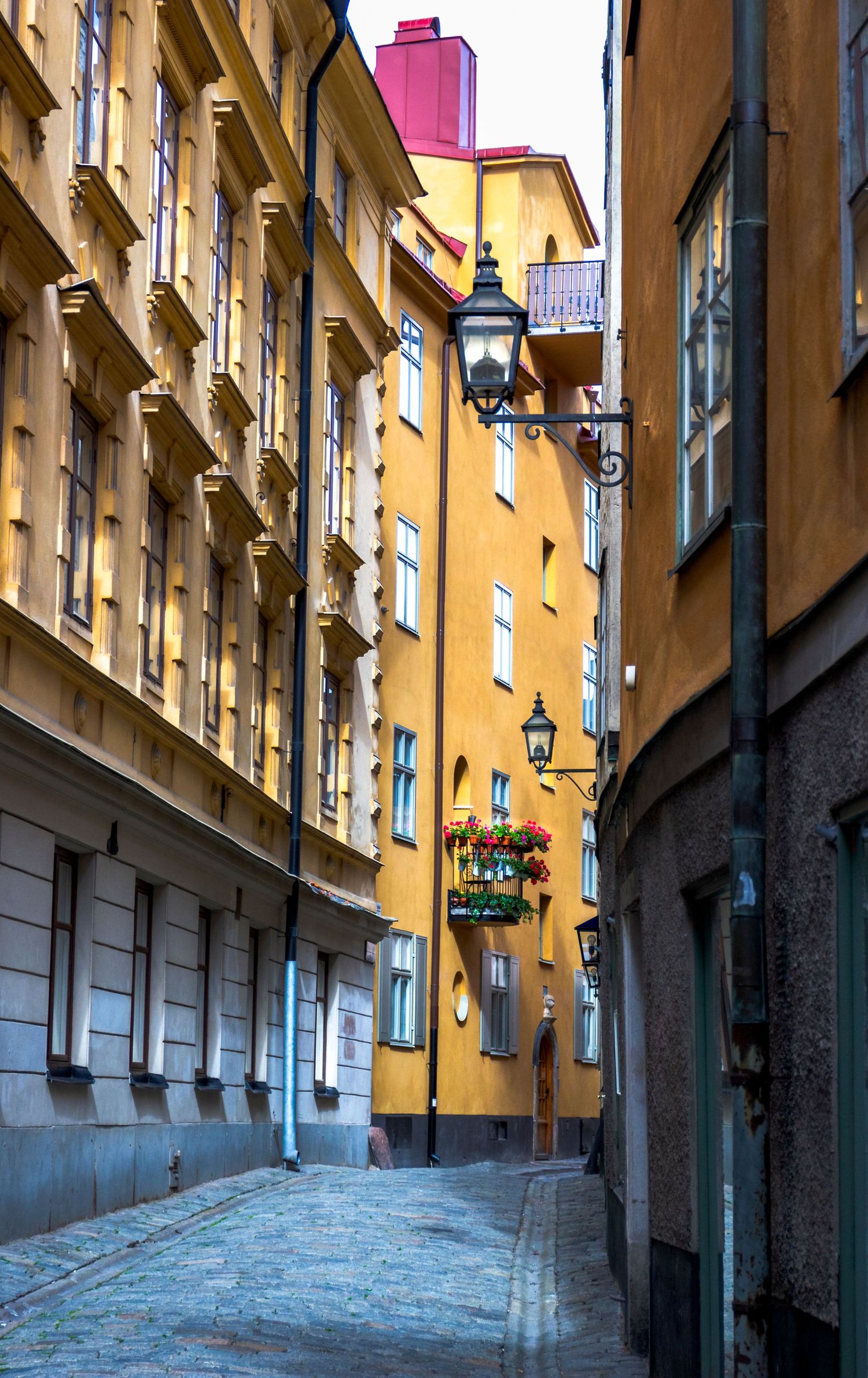
Photography flows from safely scouting and visualizing a scene, through mindful, well-prepared capture and thoughtful editing, to the final moment when the image is translated into a tangible print.
ARTICLES as a starting point:
Using daily digital photography as a form of self care: Cameras to calm, create, connect, & care
Kirsti A. Dyer
George Washington University, School of Medicine and Health Sciences, Department of Clinical Research and Leadership, United States
Received 28 September 2022, Revised 13 November 2022, Accepted 18 November 2022, Available online 24 November 2022, Version of Record 12 December 2022.
Navigating the complexity of the therapeutic and clinical use of photography in psychosocial settings: a review of the literature
Emanuela Saita and Martina Tramontano
Author information Article notes Copyright and License information PMC Disclaimer
10.4081/ripppo.2018.293
https://www.ncbi.nlm.nih.gov/pmc/articles/PMC7451378/
Key takeaways:
Calm - Take a calming moment to pause, focus, and mindfully decide what to photograph.
Create - Plan, take, and edit the photo(s). Experience a daily, enjoyable, creative outlet.
Connect - Post the photo(s) online. Connect with groups of people with similar interests.
Care - Practice self care by boosting health, decreasing stress, and utilizing healthy coping
Using Therapeutic Photography in Social Work—An Interpretive Phenomenological Analysis of the Dynamics within a Group Programme
Neil Gibson
The British Journal of Social Work, Volume 54, Issue 1, January 2024, Pages 305–325, https://doi.org/10.1093/bjsw/bcad196
Published: 17 August 2023
https://academic.oup.com/bjsw/article/54/1/305/7244280
The Therapeutic Use of Photography in Clinical Social Work: Evidence-Based Best Practices
Vaughn A. DeCoster MSW PhD LCSW ACSW & James Dickerson MSW
PhD LSWDecember 2013Social Work in Mental Health 12(1):1-19
DOI:10.1080/15332985.2013.812543
https://www.researchgate.net/publication/271992434_The_Therapeutic_Use_of_Photography_in_Clinical_Social_Work_Evidence-Based_Best_Practices
Taking Pictures is Like Treasure Hunting’: Exploring the Therapeutic Value of Photography as a Qualitative Research Method
Lucian Hadrian Milasan https://orcid.org/0000-0003-1351-6463 lucian.milasan@ntu.ac.ukView all authors and affiliations
https://journals.sagepub.com/doi/10.1177/16094069241236219?utm.com
Addresses a research gap: While photography is widely used across disciplines (e.g., psychology, social work, nursing, education), little attention has been given to its therapeutic impact on research participants. This article explores participants’ own perspectives on the benefits and limitations of photography as a research method.
Findings highlight therapeutic value: Participants reported interpersonal and intrapersonal benefits, skill development (practical and cognitive), and meaningful connections with nature. Beyond enriching qualitative data, photography emerges as a creative, cathartic tool that may enhance participants’ psychological wellbeing — an important ethical consideration in research practice.